
obscure glass cut to size
Tipi di Valvole di Controllo Una Guida Completa Le valvole di controllo sono dispositivi fondamentali in molti sistemi industriali e commerciali, poiché regolano il flusso di fluidi e gas in modo preciso e affidabile. Esistono diversi tipi di valvole di controllo, ciascuna progettata per soddisfare specifiche esigenze operative. In questo articolo, esploreremo i principali tipi di valvole di controllo, le loro caratteristiche e le applicazioni più comuni. 1. Valvole a sfera Le valvole a sfera sono tra le più diffuse per il controllo del flusso. Caratterizzate da una sfera cavo che ruota per aprire o chiudere il passaggio del fluido, offrono una bassa resistenza al flusso e una buona capacità di tenuta. Queste valvole sono particolarmente adatte per applicazioni che richiedono un'azione rapida e una tenuta affidabile. 2. Valvole a farfalla Le valvole a farfalla utilizzano un disco rotante per regolare il flusso del fluido. Sono leggere, compatte e offrono un eccezionale controllo del flusso, riducendo la perdita di carico. Queste valvole sono spesso utilizzate in applicazioni con grandi volumi di flusso, come nei sistemi HVAC e nelle condutture di grandi dimensioni. 3. Valvole di regolazione Le valvole di regolazione sono progettate per mantenere il flusso o la pressione a un livello predeterminato. Queste valvole possono essere operati manualmente o automaticamente, in base alle esigenze del sistema. Sono essenziali in applicazioni chimiche e di processo, dove è necessario monitorare e controllare con precisione le variabili operative. various types of control valves 4. Valvole a globo Le valvole a globo sono ideali per applicazioni che richiedono un controllo preciso del flusso. Hanno un design che consente un’ottima regolazione della portata, rendendole adatte per l'uso in sistemi di alimentazione e distribuzione. Anche se possono presentare una maggiore resistenza al flusso rispetto ad altri tipi di valvole, la loro capacità di regolazione le rende una scelta popolare. 5. Valvole di sicurezza Queste valvole sono progettate per proteggere i sistemi da sovrapressioni. Operano automaticamente per aprirsi quando la pressione supera un certo livello, consentendo al fluido di fuoriuscire e prevenendo danni alle attrezzature. Sono cruciali in impianti industriali, dove la sicurezza è una priorità. Applicazioni delle valvole di controllo Le valvole di controllo trovano applicazione in una vasta gamma di settori, tra cui quello chimico, petrolifero, energetico, HVAC e alimentare. Sia che si tratti di regolare la temperatura in un impianto di produzione, di mantenere pressioni stabili in un sistema di distribuzione o di gestire flussi di liquidi in una raffineria, le valvole di controllo sono essenziali per il buon funzionamento di questi processi. Conclusione La scelta del tipo di valvola di controllo giusta dipende da vari fattori, tra cui la natura del fluido, la pressione e la temperatura del sistema, nonché dalla precisione richiesta nel controllo del flusso. Conoscere le diverse tipologie di valvole e le loro applicazioni può aiutare ingegneri e tecnici a fare scelte informate, assicurando l’efficienza e la sicurezza delle operazioni industriali. Sia che si tratti di una valvola a sfera o di una valvola di regolazione, ogni tipo ha il suo ruolo cruciale nell’ottimizzazione dei sistemi di controllo.
about
obscure glass cut to size
Understanding Magnetic V Blocks and Their Working Mechanism Magnetic V blocks are essential tools in the field of machining, inspection, and assembly. These devices serve a crucial role in securely holding workpieces in place during various applications, ensuring precision and accuracy. The unique design of magnetic V blocks allows them to accommodate items of different shapes and sizes, particularly cylindrical and flat surfaces. In this article, we will delve into the construction, working mechanism, and diverse applications of magnetic V blocks. Construction of Magnetic V Blocks Magnetic V blocks are typically made from high-quality cast iron or steel, providing them with the necessary durability and stability. The V shape refers to the angled grooves that allow for the proper positioning of cylindrical items. This design enables the tools to grip the components firmly, minimizing the risk of slippage during machining processes. A key feature of magnetic V blocks is the inclusion of strong magnets, often permanent magnets or electromagnets, which create a powerful magnetic field. This feature secures the workpiece without the need for clamps or other fasteners, simplifying setup and increasing efficiency. The magnetic system can be activated or deactivated using a lever or switch, making it easy for operators to position and remove the workpiece as needed. Working Mechanism The working mechanism of magnetic V blocks revolves around the principles of magnetism. When the magnetic switch is activated, the magnets generate a strong magnetic field that adheres to the surface of ferromagnetic materials, such as steel. This holds the workpiece securely in place, providing a stable platform for machining, grinding, or measuring. The V-block design plays a critical role in the effectiveness of the tool. The angled surface ensures that the workpiece is not only held securely but also positioned correctly for operations. This configuration eliminates the possibility of misalignment, which can lead to defects in the end product. The versatility of magnetic V blocks allows them to be utilized in various orientations, whether horizontally or vertically, making them ideal for complex setups. Moreover, the reusable nature of these blocks reduces the need for additional fixtures, saving time and resources. magnetic v block working Applications of Magnetic V Blocks Magnetic V blocks are widely used in numerous applications across different industries . Their primary functions include 1. Machining In machining operations, magnetic V blocks provide a stable platform for holding cylindrical parts during turning, milling, and drilling processes. The secure grip prevents any movement that might compromise precision. 2. Measuring and Inspection Magnetic V blocks are commonly employed in metrology. They serve as a reference point for measuring cylindrical components with calipers, micrometers, or gauges. The stability offered by magnetic V blocks enhances measurement accuracy. 3. Welding and Assembly In welding operations, magnetic V blocks can hold pieces in alignment, allowing welders to focus on their work without needing additional clamps. This capacity improves productivity and helps achieve consistent results. 4. Assembly Line Use In manufacturing settings, magnetic V blocks simplify the assembly process, providing a quick and reliable way to hold parts in position without cluttering the workspace with multiple clamps or fixtures. 5. Education and Training Educational institutions and training facilities often utilize magnetic V blocks as instructional tools to demonstrate principles of machining and measurement. They aid in teaching students the importance of precision and the mechanics of machining processes. Conclusion Magnetic V blocks are indispensable tools in modern machining, measurement, and assembly processes. Their unique design, coupled with powerful magnetic capabilities, enables them to provide superior support and stability for a variety of workpieces. Whether in a high-precision workshop or a manufacturing assembly line, magnetic V blocks ensure that operations are performed with accuracy and efficiency. As technology continues to advance, these tools will undoubtedly maintain their relevance in the toolkit of any skilled machinist or engineer. Ultimately, understanding the workings and applications of magnetic V blocks will allow operators to optimize their usage, leading to improved performance and quality in their projects.
-

High quality industrial productsagement

High quality industrial products
View Details -

Meet the diverse needs of customers

Meet the diverse needs of customers
View Details -

Strict quality control

Strict quality control
View Details -

Top raw materials

Top raw materials
View Details -

Trusted supplier

Trusted supplier
View Details
Our application


news and information
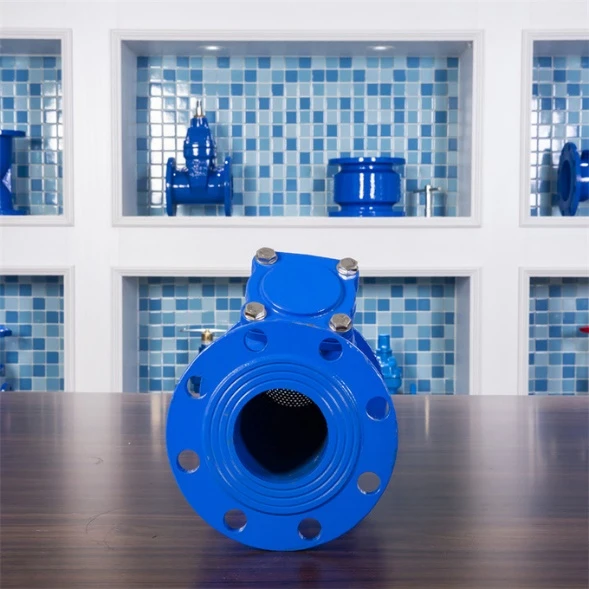
Valvola di ritegno 6an per sistemi idraulici e pneumatici di alta qualità
Il settore industriale moderno richiede soluzioni efficienti per il controllo del flusso di fluidi,
vibration pad manufacturer
The Importance of Vibration Pads in Industrial Applications In today's fast-paced industrial environ
Water Flow Control Using Valve Mechanisms for Efficient Management
The Importance of Valve Water Management in Modern Industry In today's industrial landscape, effecti
 English